23 July, 2026
Global Textile Market Realignment: Adapting to Regulatory Shifts and Trade Dynamics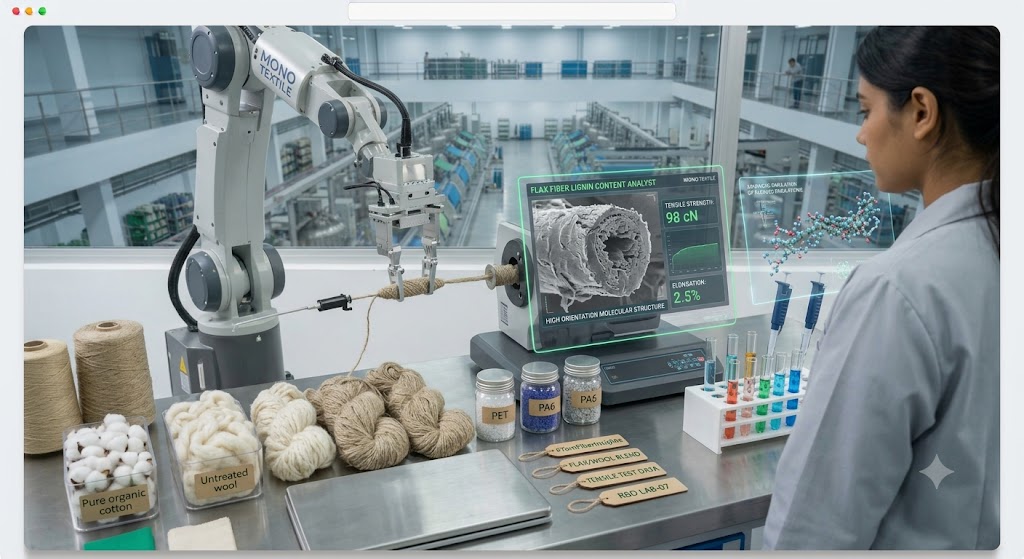
- Yarn & Fiber Insights
- doclive
- 23 July, 2026
Understanding Fabric Performance: From Fiber to Finished Textile
In the competitive world of fashion and apparel, understanding the raw materials that build a product is essential. The performance of any garment starts long before the cutting and sewing stages; it begins with the selection of the correct fibers and the precision of the yarn spinning process.
At Mono Textile, we believe that transparency regarding material science helps our partners make informed decisions. Here, we delve into the insights of yarns and fibers, explaining how these foundational elements determine fabric characteristics.
1. Natural vs. Synthetic Fibers: Comparing Performance
The primary classification of fibers is between natural (plant or animal-based) and synthetic (man-made). Both types offer distinct advantages depending on the final application.
Natural Fibers:
Cotton: Famous for its breathability, comfort, and soft feel. We frequently work with Organic Cotton, certified to meet stringent environmental and social standards, offering the additional benefit of sustainability.
Linen: Highly durable and moisture-wicking, with a distinctly textured, elegant look, perfect for warm climates.
Synthetic Fibers:
Polyester: Renowned for its exceptional strength, durability, and resistance to wrinkles, shrinking, and stretching. Polyester often forms the basis for performance and activewear.
Viscose (Rayon): A semi-synthetic fiber derived from wood pulp that mimics the soft, luxurious drape and cool feel of silk.
2. Mastering Fabric Properties Through Fiber Blends
Rarely is a fabric made of 100% of just one fiber type. Blending fibers allows us to engineer textiles with specific, optimized properties:
Cotton-Polyester Blends: Combine the breathable comfort of cotton with the wrinkle resistance and durability of polyester, ideal for durable casual wear.
Viscose-Linen Blends: Achieve the luxury and drape of viscose with the structural integrity and textured aesthetic of linen, providing elegance with improved wrinkle recovery.
3. Yarn Technology and Its Impact on Fabric Feel
Once the fibers are selected, the spinning technique determines the final yarn's structure and behavior:
Thread Count: Often used as a measure of quality, especially in bedding and shirting, a higher thread count indicates finer yarns woven more closely together, resulting in a smoother, softer fabric.
Yarn Twist: A high-twist yarn (like crepe) creates a textured, vibrant fabric, while a lower twist creates softness and volume.
Conclusion: Making Informed Sourcing Decisions
Understanding yarn and fiber characteristics is not just technical knowledge; it is a critical business skill. It enables brands to ensure product consistency, durability, and compliance with sustainability goals.
Categories
Recent Post
-
-
-

23 July, 2026
How Proper Care Extends Fabric Life -
23 July, 2026
The Evolution of the Global Textile Industry -