23 July, 2026
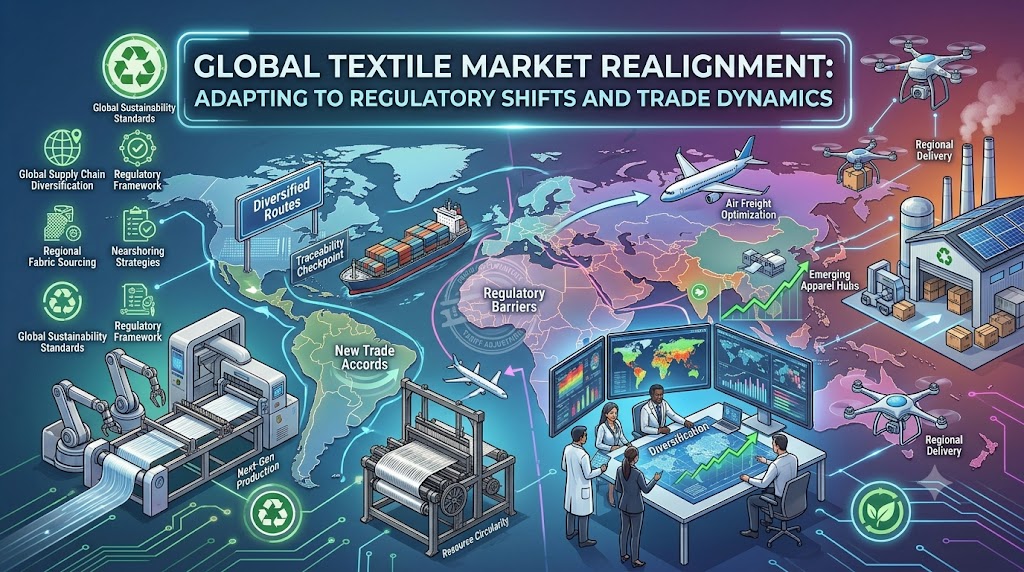
Global Textile Market Realignment: Adapting to Regulatory Shifts and Trade Dynamics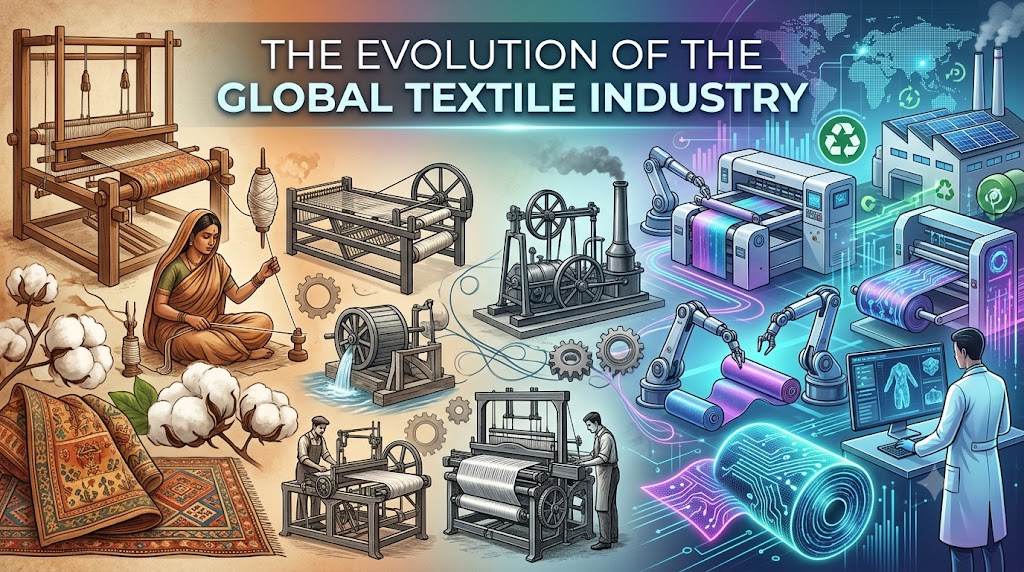
- Textile Industry
- doclive
- 23 July, 2026
The Evolution of the Global Textile Industry
The textile industry is one of the most dynamic and essential manufacturing sectors in the world, supplying fabrics that power everything from high-fashion apparel and everyday workwear to technical and industrial applications. As consumer expectations and global regulations evolve, the industry is undergoing a structural transformation toward higher efficiency, ethical production, and material innovation.
At Mono Textile, we sit at the intersection of modern manufacturing and material craftsmanship, helping international fashion and apparel brands build reliable, sustainable, and future-ready supply chains.
1. Core Pillars of Modern Textile Manufacturing
The textile production lifecycle consists of several intricate processes where accuracy and quality control are paramount:
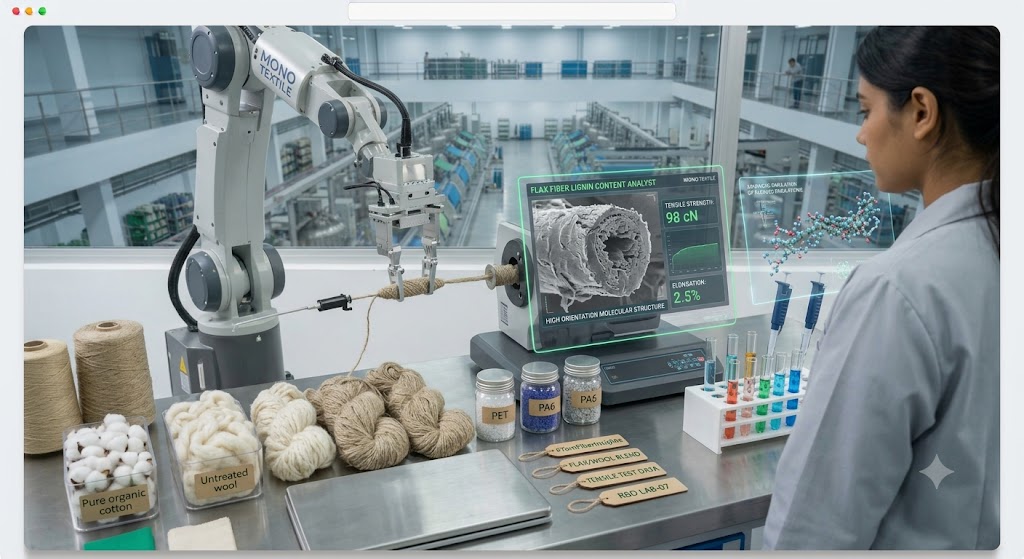
Yarn Spinning & Fiber Selection: Choosing high-grade natural, synthetic, or blended fibers lays the foundation for fabric strength, softness, and durability.
Precision Weaving & Knitting: Advanced machinery transforms yarn into structured fabrics, balancing thread density, elasticity, and texture.
Dyeing & Finishing: State-of-the-art chemical and mechanical treatments impart desired colors, water resistance, and hand-feel while prioritizing low water and chemical usage.
2. Industry Trends Shaping the Future
As global sourcing demands shift, manufacturers and brand managers must align with key industry developments:
Sustainable & Circular Textiles: The rising demand for organic cotton, recycled polyester, and low-impact dyes is reshaping global compliance standards.
Automation & Industry 4.0: AI-driven quality inspection, automated cutting machines, and digital shade-matching systems reduce material waste and shorten turnaround times.
Technical & Functional Fabrics: Textiles engineered for moisture-wicking, antimicrobial protection, and durability are increasingly dominating activewear and outdoor performance categories.
3. Why Brand Transparency and Quality Matter
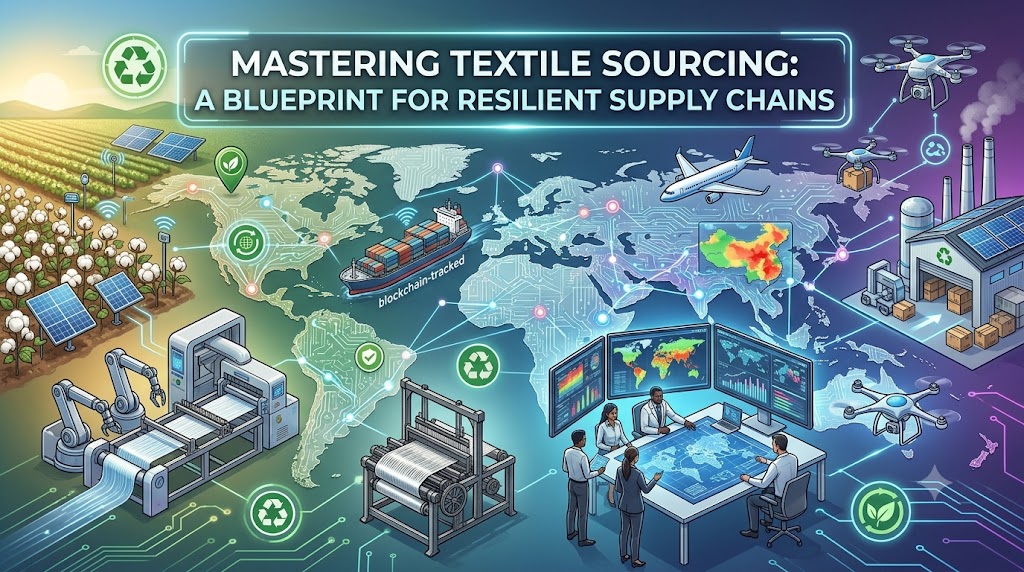
In today's global market, garment quality is measured not only by aesthetic appeal but also by supply chain traceability and compliance. Partnering with vertically integrated or technology-forward textile manufacturers allows brands to maintain batch-to-batch consistency, meet international labor standards, and minimize operational risk.
Conclusion: Shaping Tomorrow's Textile Standards
The future of the textile industry belongs to those who combine traditional craftsmanship with innovative technology and sustainable practices. By committing to continuous improvement and quality excellence, Mono Textile continues to empower global apparel brands to scale with confidence.
Categories
Recent Post
-
-
-

23 July, 2026
How Proper Care Extends Fabric Life -
-