23 July, 2026
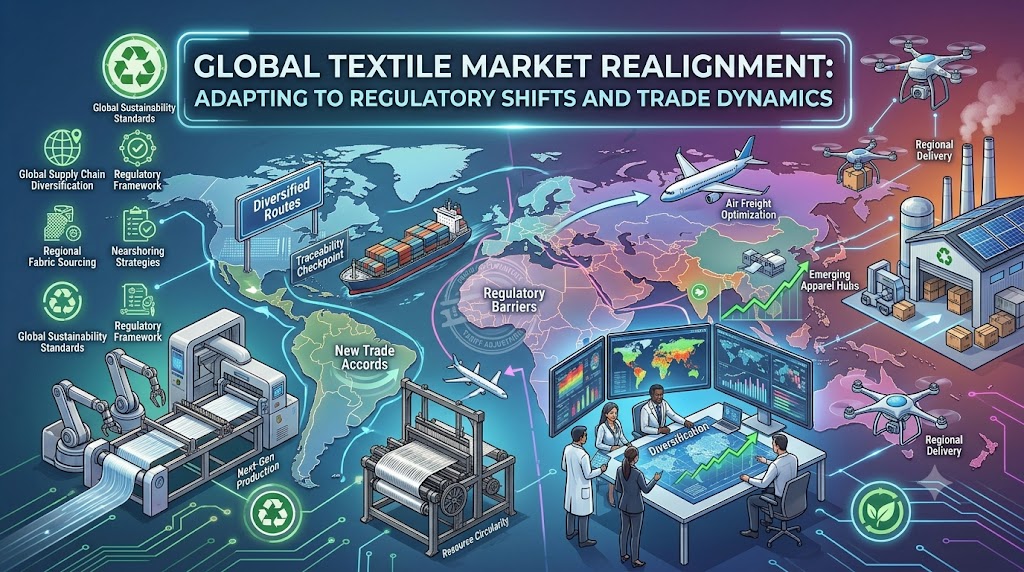
Global Textile Market Realignment: Adapting to Regulatory Shifts and Trade Dynamics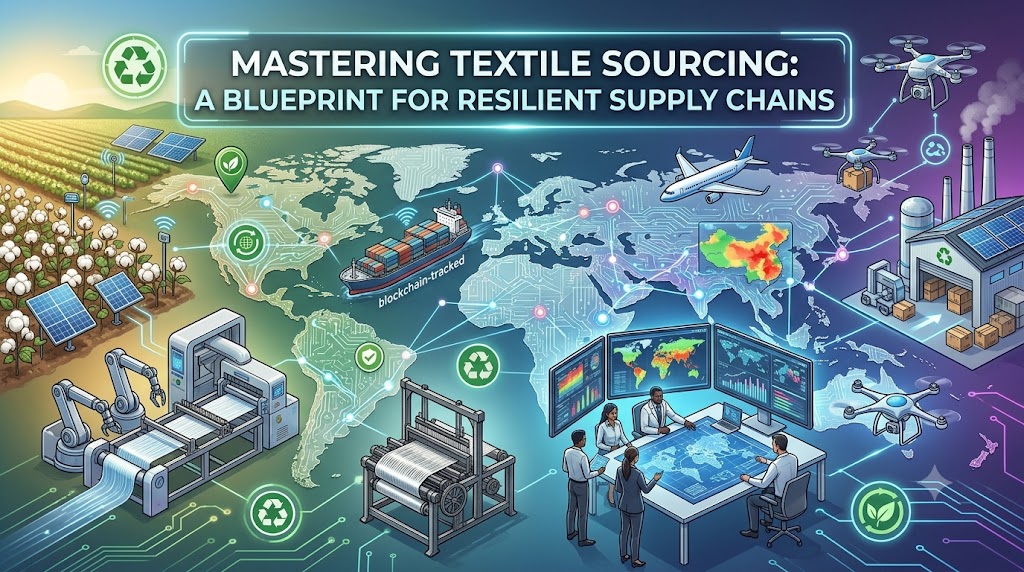
- Supply Chain & Sourcing Guide
- doclive
- 23 July, 2026
Mastering Textile Sourcing: A Blueprint for Resilient Supply Chains
In the fast-paced global fashion industry, maintaining a transparent and agile supply chain is the backbone of any successful apparel brand. From raw material procurement to final factory delivery, navigating the complexities of textile sourcing requires precision, strategic planning, and reliable manufacturing partnerships.
At Mono Textile, we specialize in simplifying this journey, offering seamless end-to-end supply chain solutions that bridge the gap between design concepts and market-ready products.
1. Evaluating and Selecting the Right Sourcing Partner
A strong supply chain begins long before production starts—it begins with choosing the right manufacturing partner. When vetting suppliers, global buyers should prioritize:
Technical Compliance & Certifications: Ensuring factories adhere to international labor laws, environmental regulations, and quality management standards.
Production Flexibility: Finding partners equipped to handle both low minimum order quantities (MOQs) for collection testing and large-scale bulk production.
Transparent Communication: Clear, real-time updates regarding production milestones, shipping schedules, and material origins.
2. Strategic Material Planning and Lead Time Management
Unforeseen delays in fabric procurement can derail seasonal product launches. To protect your timelines:
Buffer Prototyping: Allocate adequate time early in the process for lab dips, fabric testing, and sample approvals.
Predictive Inventory Control: Work with manufacturers who maintain smart inventory buffers for standard yarns and raw fabrics to avoid unexpected material shortages.
Optimized Logistics: Align shipping lanes and transport modes (air vs. ocean freight) well in advance to match marketing launch windows.
3. Implementing Rigorous Quality Assurance (QA)
Quality issues discovered at the final port of entry can lead to costly delays and brand damage. A robust sourcing framework integrates multi-point inspections:
Raw Yarn Verification: Checking fiber strength and composition before spinning.
Mid-Production Checks: Monitoring fabric density, color consistency, and weaving standards.
Pre-Shipment Inspections (PSI): Final evaluations of finished garments to ensure exact alignment with technical specifications.
4. Cost Optimization Through Direct Manufacturing
True cost optimization goes beyond chasing the lowest price per yard; it involves minimizing total landed costs. Partnering directly with integrated manufacturers like Mono Textile helps eliminate middleman markups, reduces administrative friction, and secures better long-term value.
Conclusion: Building a Future-Ready Supply Chain
A dependable sourcing partner does more than just deliver fabric—they act as an operational extension of your brand, driving efficiency and growth.
Categories
Recent Post
-
-

23 July, 2026
How Proper Care Extends Fabric Life -
23 July, 2026
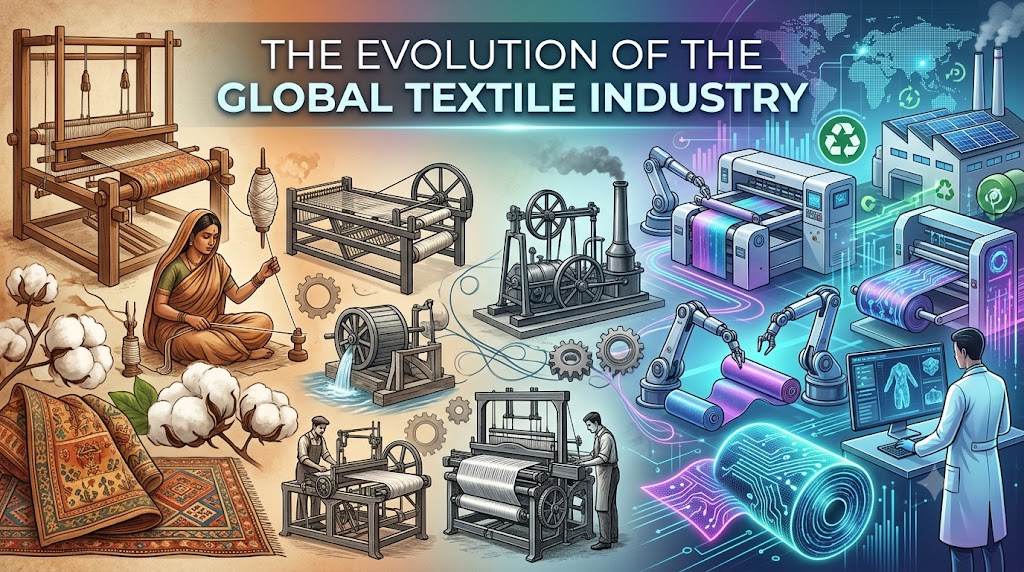
The Evolution of the Global Textile Industry -

-